Free shipping on orders over $50 | 30-day plant guarantee


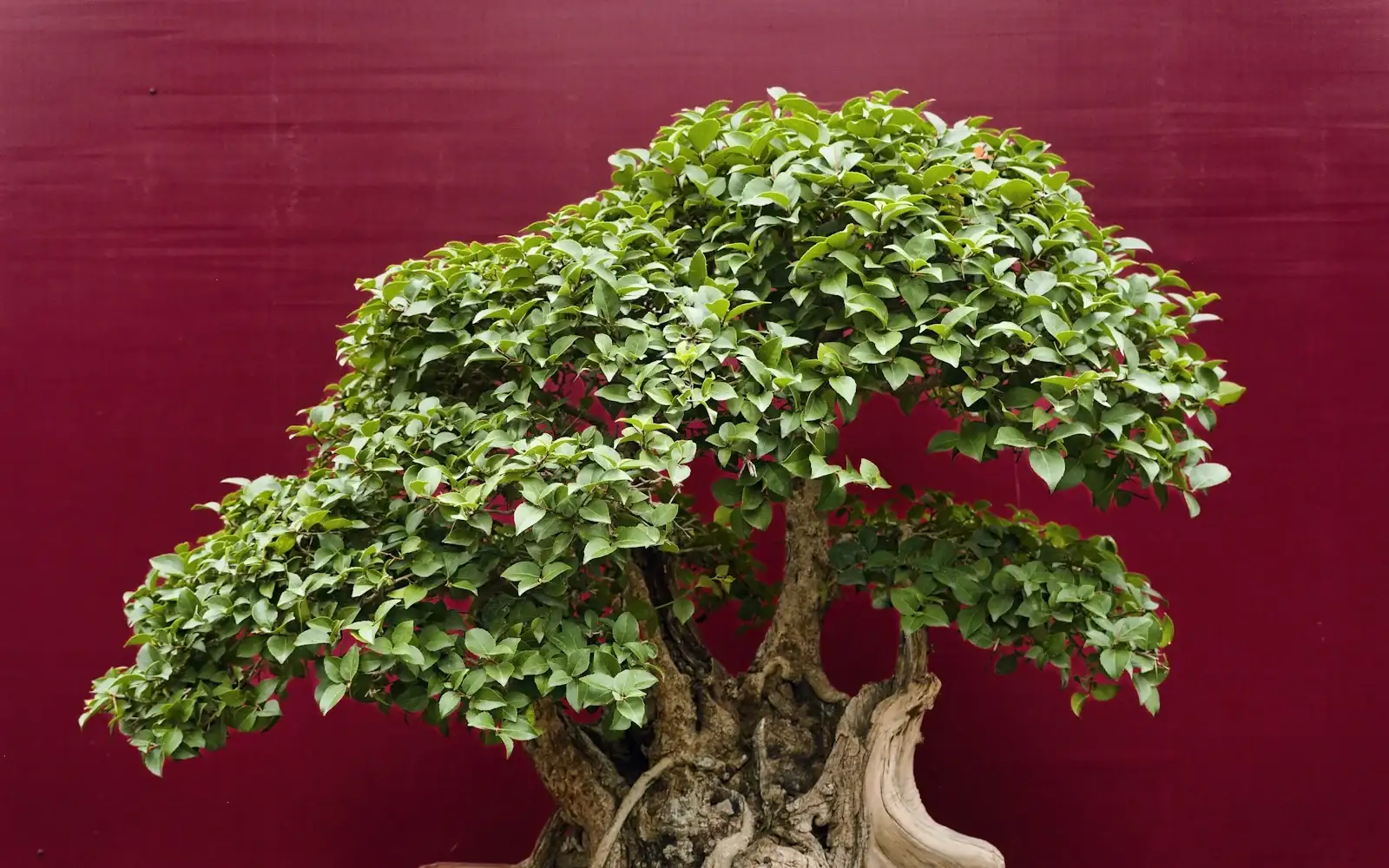
Plenty of first bonsai end up quietly dropping their leaves on a windowsill. The problem is rarely the owner. Many traditional bonsai, including junipers, pines and maples, are hardy outdoor trees that need seasons and direct sun. If your bonsai is going to live indoors, start with a species that naturally comes from a warm climate.
1. Ficus
Ficus is the friendliest indoor bonsai there is. It copes with dry indoor air, tolerates a missed watering and responds quickly to pruning. Many are trained with dramatic aerial roots or twisted trunks, like our twisted trunk ficus bonsai.
2. Dwarf jade
Dwarf jade (Portulacaria afra) is a succulent that branches freely and holds small round leaves. Because it stores water, it forgives forgetful owners. Give it plenty of light and let the soil dry between waterings. Our dwarf jade plant is an easy way to try bonsai-style trimming.
3. Chinese elm
Chinese elm is semi-evergreen and adaptable. It grows well indoors in a bright spot and develops fine branching quickly. It appreciates a cooler room in winter.
4. Schefflera
The dwarf umbrella tree is not a traditional bonsai species, but it is almost unkillable indoors. It tolerates lower light than most and can be grown in a clump or on a rock.
5. Fukien tea
Fukien tea has tiny glossy leaves and small white flowers. It is a little fussier about consistent watering and humidity, so treat it as a second tree once you are comfortable with the basics.
Indoor bonsai basics
- Light: place your tree as close to a bright window as possible. Indoor light is far weaker than it looks.
- Water: check the soil every day or two and water when the surface feels dry.
- Humidity: a pebble tray under the pot helps in heated rooms.
- Feeding: use a diluted fertiliser every couple of weeks in spring and summer.
Ready to go further? Our seasonal bonsai care calendar explains when to prune, wire and repot.