Free shipping on orders over $50 | 30-day plant guarantee



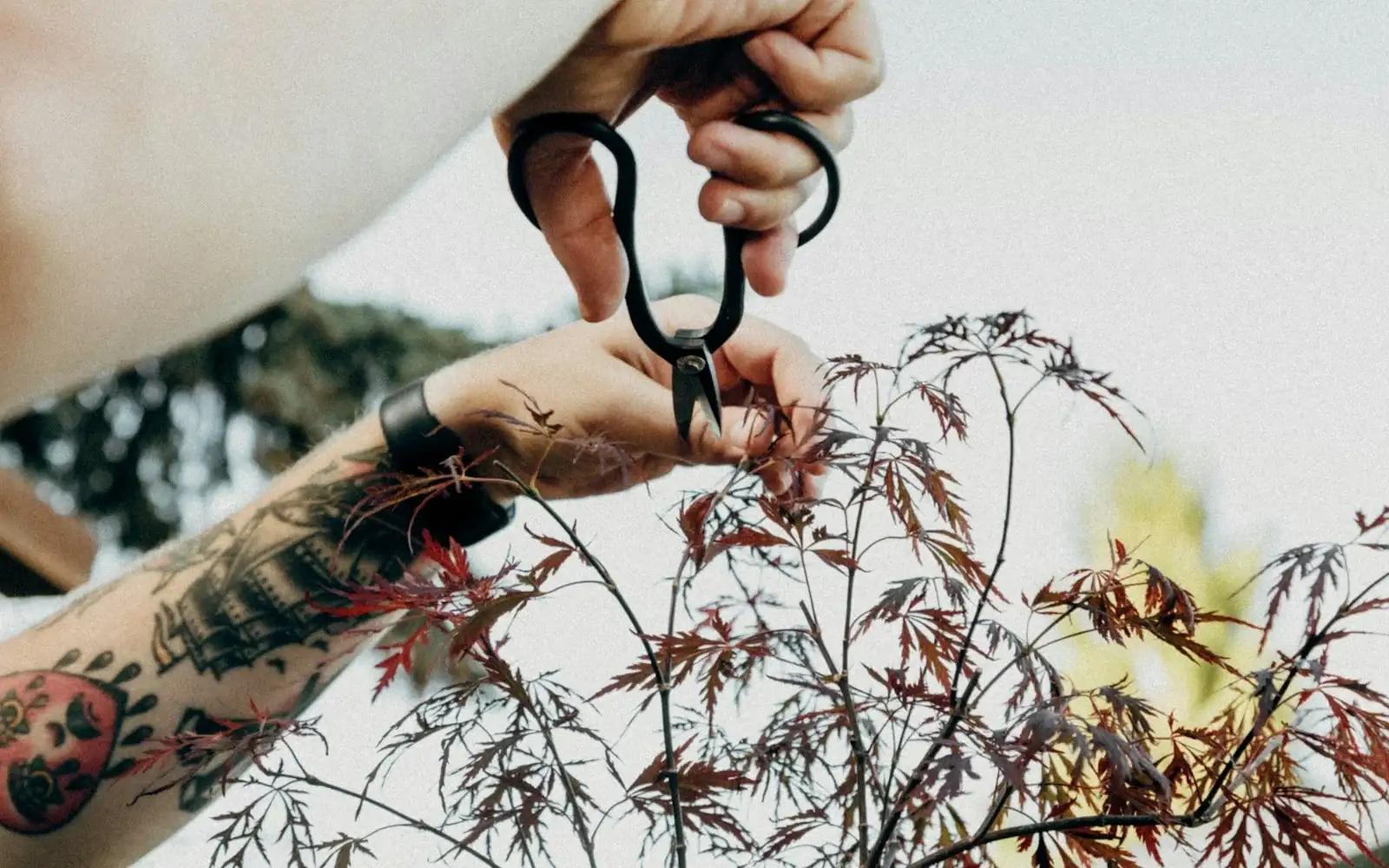
The secret to a healthy bonsai is timing. A trim that helps your tree in early summer can weaken it in late autumn, and repotting at the wrong moment can set it back for a whole year. Instead of memorising rules, it helps to think of bonsai care as a calendar that follows the tree’s natural growth cycle.
This guide is written for the trees most beginners start with, such as the juniper bonsai outdoors and the ficus bonsai indoors. Adjust the timing a few weeks either way depending on your local climate.
Early spring: repot and refresh
Late winter to early spring, just as the buds begin to swell, is the best time to repot. The tree is about to burst into growth, so any roots you trim will regrow quickly.
- Repot young trees every two years and older trees every three to five years.
- Tease out circling roots and trim up to a third of the root mass.
- Use a free-draining bonsai mix rather than ordinary potting compost.
- Water thoroughly and keep the tree out of strong wind and hard frost for a few weeks.
Late spring: let it grow, then pinch
Once new shoots appear, let them extend for a while so the tree can rebuild energy. On junipers, pinch or snip the longest new tips to keep foliage pads compact. On ficus, allow a shoot to grow six to eight leaves, then cut it back to two or three.
Start feeding with a balanced bonsai fertiliser now and continue every two to four weeks through summer.
Summer: maintenance pruning and wiring
Summer is the season for shaping. Branches are flexible and the tree heals quickly, so it is a good time to apply wire to set a branch’s direction.
- Wrap aluminium or copper wire at a 45 degree angle, firm but not tight.
- Check wired branches every couple of weeks and remove the wire before it bites into the bark.
- Keep trimming new growth back to the outline you want.
- Water daily in hot weather; shallow bonsai pots dry out fast.
Autumn: slow down
As days shorten, growth slows. Stop heavy pruning and switch to a low-nitrogen fertiliser, or stop feeding altogether by mid-autumn. This lets new growth harden before winter. It is also a good moment for structural pruning on deciduous trees once their leaves fall, because you can clearly see the branch layout.
Winter: protect and rest
Outdoor trees such as junipers need a cool winter rest, but their roots are exposed in a small pot. Shelter them from hard freezes in an unheated garage, a cold frame or against a house wall. Indoor tropical bonsai should stay in their brightest spot, away from heaters, with watering reduced to match slower growth.
Keep a simple care log
Write down when you repot, wire and feed. After a year you will have a calendar tuned to your own tree and climate, and that record is worth more than any general guide.