Free shipping on orders over $50 | 30-day plant guarantee


If you have ever lost a plant to yellow leaves and soggy soil, you are not alone. Overwatering is the number one cause of houseplant problems. The good news is that a few simple habits make watering almost foolproof, and none of them involve a strict weekly schedule.
Start with the finger test
Push a finger into the soil up to the second knuckle, roughly 2 to 3 cm. If it feels dry, water. If it feels cool and damp, wait a few days and check again. It is the single most reliable tool you have, and it is free.
Water deeply, not little and often
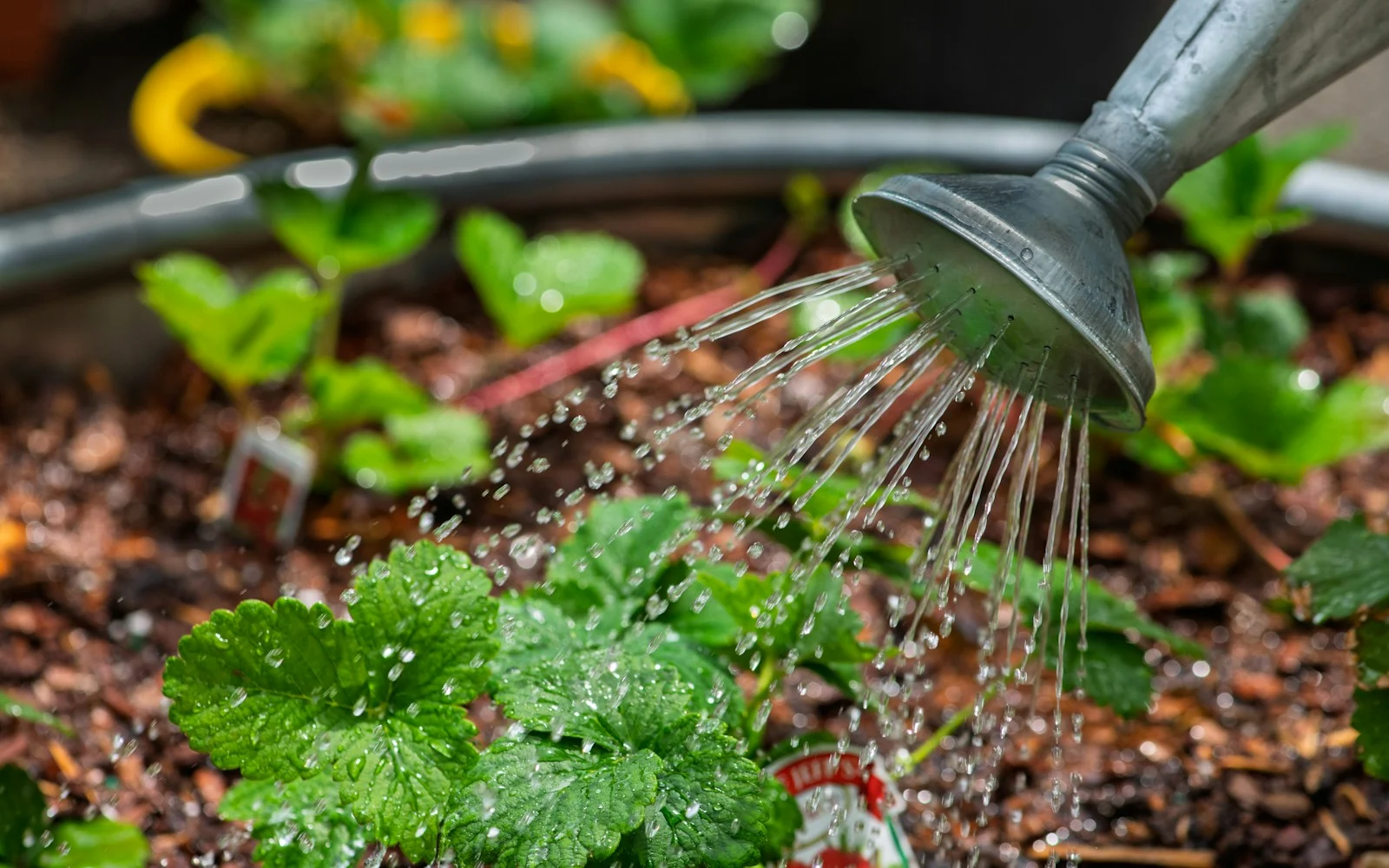
When you do water, pour slowly until water runs out of the drainage holes. This wets the whole root ball and flushes out built-up salts. Small sips only wet the top layer and leave the lower roots dry.
Never leave roots sitting in water
Empty saucers and decorative outer pots about 15 minutes after watering. Roots that sit in standing water cannot breathe and soon start to rot.
Match the plant to the routine
- Thirsty plants: peace lilies and ferns like evenly moist soil. A peace lily will even droop to tell you it needs a drink.
- Middle ground: rubber plants, pothos and fiddle leaf figs want the top few centimetres to dry first.
- Drought lovers: cacti, succulents, snake plants and ZZ plants prefer the soil to dry out completely.
Adjust with the seasons
Plants drink much more in bright, warm summer months than in winter. As days shorten, check the soil before watering rather than sticking to your summer routine. Many plants need half as much water in winter.
Choose pots that help
Always use pots with drainage holes. Terracotta breathes and dries faster, which suits cacti like our mini cactus in terracotta. Glazed ceramic and plastic hold moisture longer, which suits thirstier plants.
Signs you are getting it wrong
- Too much water: yellowing lower leaves, soft stems, soil that never dries, fungus gnats.
- Too little water: crispy brown edges, curling leaves, soil pulling away from the pot.